Are we headed for Stagflation? What it means for the Economy
As economic uncertainty lingers, there’s growing chatter among economists and investors about the potential return of stagflation—a rare but challenging economic condition where inflation remains high, economic growth stalls, and unemployment rises. It’s the economic version of being stuck between a rock and a hard place.
What Is Stagflation?
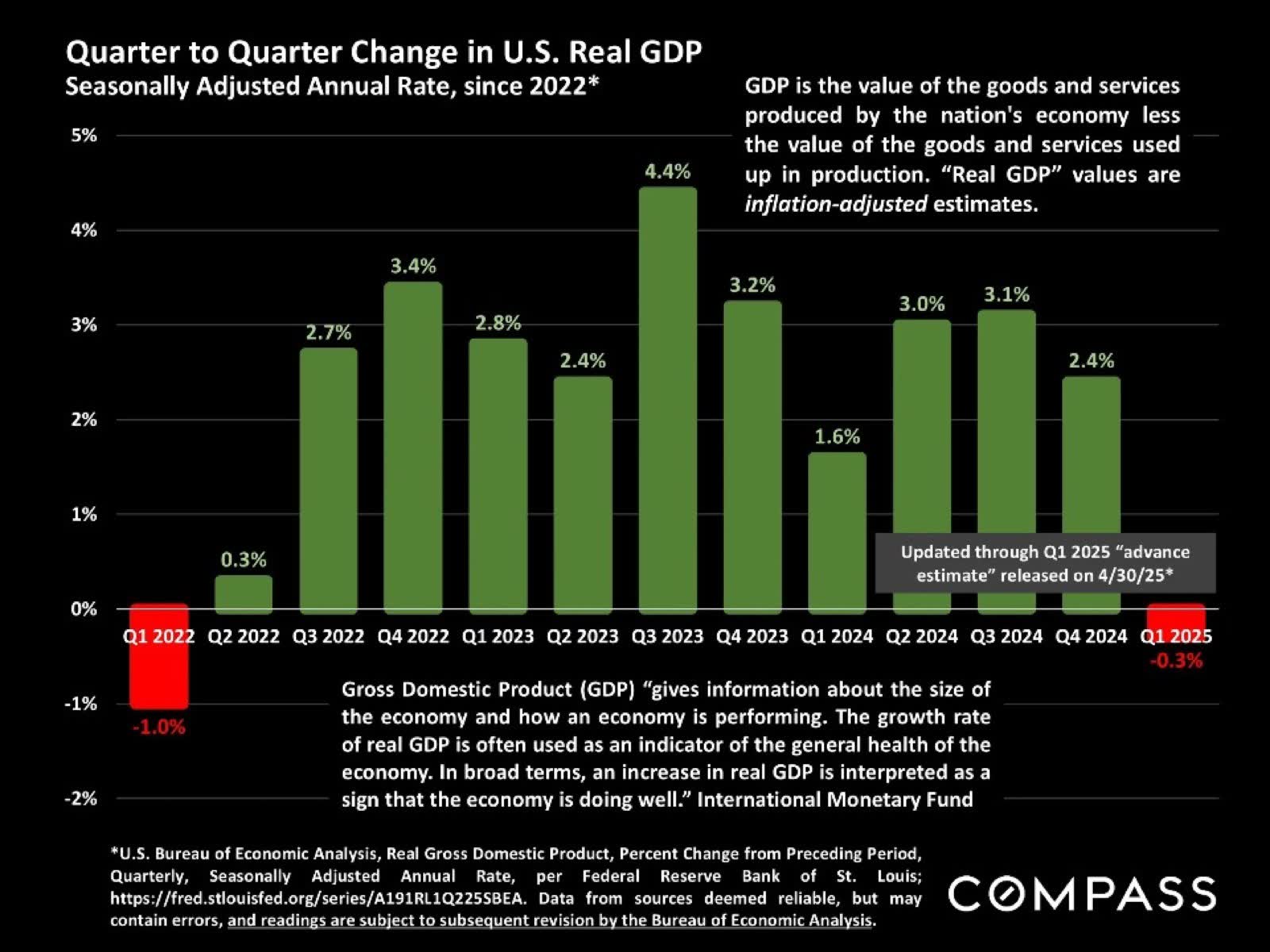
Stagflation combines two normally opposing forces: stagnant growth and inflation. Under typical circumstances, inflation and unemployment don’t rise together. But stagflation defies the rules—prices climb while economic activity slows, squeezing consumers and businesses alike. The last major period of stagflation was in the 1970s, triggered by oil shocks, loose monetary policy, and structural shifts in the economy. Today, some similar warning signs are emerging: supply chain disruptions, elevated consumer prices, geopolitical tensions, and labor market imbalances. A recent indicator of this pressure: U.S. real GDP decreased at an annual rate of 0.3% in the first quarter of 2025, down sharply from the 2.4% growth in the fourth quarter of 2024. That reversal in momentum suggests the economy may be slowing just as prices remain high—a classic stagflation red flag.
Why the Fed Can’t Solve Both Problems at Once
The Federal Reserve has two primary tools—raising or lowering interest rates—to steer the economy. But stagflation presents a dilemma:
To fight inflation, the Fed typically raises interest rates to cool demand.
To reduce unemployment and stimulate growth, the Fed lowers rates to encourage spending and investment.
In a stagflationary scenario, trying to fix one issue may worsen the other. If the Fed raises rates to tame inflation, it could deepen the slowdown and drive unemployment higher. If it lowers rates to boost employment, inflation could spiral further out of control.
The Real Estate Crossroads
So, what does stagflation mean for real estate?
Real estate is often viewed as a hedge against inflation—property values and rental income tend to rise with consumer prices, preserving purchasing power over time. For long-term investors, that’s good news.
But there’s a catch.
If the Fed raises interest rates to combat inflation, mortgage rates will climb, making homeownership more expensive and cooling demand. This can lead to slower price growth—or even price declines in overheated markets. Investors relying on debt to finance properties may also face tighter margins.
Navigating What Comes Next
Whether or not we enter a full-blown stagflationary period remains to be seen. But the risk is real enough to warrant attention. For real estate professionals, homeowners, and investors, now is the time to focus on fundamentals: strong location, steady cash flow, and a long-term perspective.
In uncertain times, clarity comes not just from predictions—but from preparation. Have questions about what this means for you? Let’s chat!
Market Perspectives with William Tang: Nin Tang Homes’ (Unofficial) Chief Investment Advisor*