2026: Why Timing and Market Conditions Are Aligning for Home
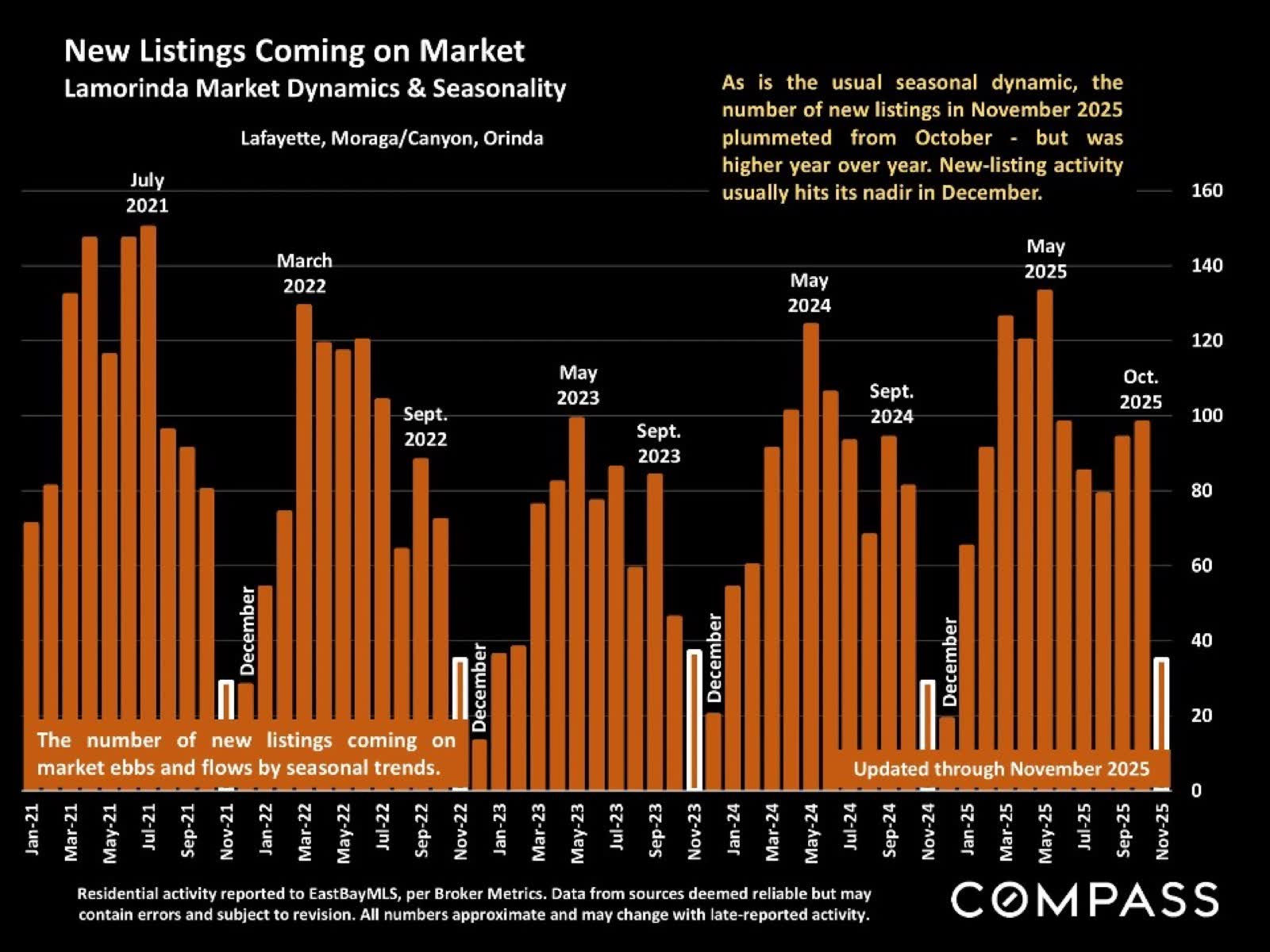
As we move into 2026, the real estate market is entering a notably healthier and more balanced phase—one shaped by improving affordability, renewed buyer confidence, and a return to more traditional seasonal patterns. After several years of volatility driven by rapid interest rate changes, the market is beginning to normalize, and that normalization creates opportunity for well-prepared sellers.
One of the most important backdrops to the 2026 market is interest rates. In 2025, the Federal Reserve implemented three 25-basis-point reductions, signaling a clear shift away from restrictive policy. While rates remain higher than the historic lows of the pandemic era, the direction matters as much as the absolute number. Buyers tend to respond less to where rates are and more to whether they are rising or falling. Entering 2026, the perception is no longer “rates are climbing,” but rather “rates have stabilized and may continue to ease.”
That psychological shift is powerful. Buyers who sat on the sidelines in 2024 and early 2025—waiting for clarity—are re-engaging. Many have adjusted expectations, recalibrated budgets, and accepted that the new normal is not 3% mortgages, but a stable, more predictable lending environment. This creates a broader and more confident buyer pool, particularly among move-up buyers and families planning ahead.
Seasonality also plays a critical role, and 2026 is shaping up to follow a more classic real estate rhythm. Historically, the strongest seller leverage does not always occur at the peak of spring, but just before it—when buyer activity begins to rise and inventory is still limited. Early-year listings benefit from scarcity. Buyers are motivated, refreshed after the holidays, and eager to get ahead of the market before competition increases.
By February, many buyers are already planning with a long horizon in mind. Families are thinking about summer moves and fall school enrollment. Relocation buyers are active early in the year. These buyers tend to be decisive and well-qualified, and they are often willing to act quickly when a home meets their needs—especially when there are fewer alternatives available.
As the calendar moves deeper into spring, inventory typically builds. While buyer activity remains strong, so does competition. More listings mean more comparisons, longer decision cycles, and in some cases, increased price sensitivity. Homes that launch earlier often benefit from clearer positioning and stronger negotiating leverage, simply because they stand out more.
In 2026, this dynamic is amplified by improving affordability conditions. Even modest rate relief increases purchasing power meaningfully, particularly in higher-price markets. Buyers feel less pressure; The result is a market that rewards preparation, presentation, and timing rather than one driven by urgency alone.
For sellers, success in 2026 will be less about chasing the “peak” and more about entering the market thoughtfully, before momentum becomes crowded. Homes that come to market early in the year, with strong disclosures, clear pricing, and polished presentation, are well positioned to capture serious buyer attention and favorable terms.
In short, 2026 offers a rare combination of factors that support strong outcomes: easing interest rates, renewed buyer confidence, and a return to predictable seasonal behavior. For homeowners considering a sale, especially those targeting early-year timing, the coming months present an opportunity to move with the market rather than compete within it.
Market Perspectives with William Tang: Nin Tang Homes’ (Unofficial) Chief Investment Advisor*